Why Climbing Chalk Wrecks Skin Faster Than Most Climbers Realize, and the Actual Fix
Quick Answer: Climbing chalk doesn’t just sit on the surface of your skin — its magnesium carbonate actively pulls moisture out of your skin’s own outer layer, and repeated reapplication within and across sessions compounds that damage well beyond what a single chalking would suggest. The actual fix is a heavier barrier balm applied after climbing (not before), lukewarm rather than hot water right after a session, and a thin oil layer on cuticles only, applied before you chalk up.
Chalk gets treated as a minor dryness annoyance, but the actual mechanism goes further than surface dryness and explains why some climbers end up with real cracking and skin breakdown despite regular lotion use. Here’s what chalk actually does to skin beyond simple drying, and the recovery routine that actually addresses it.
What Does Climbing Chalk Actually Do to Skin Beyond Just Drying It Out?
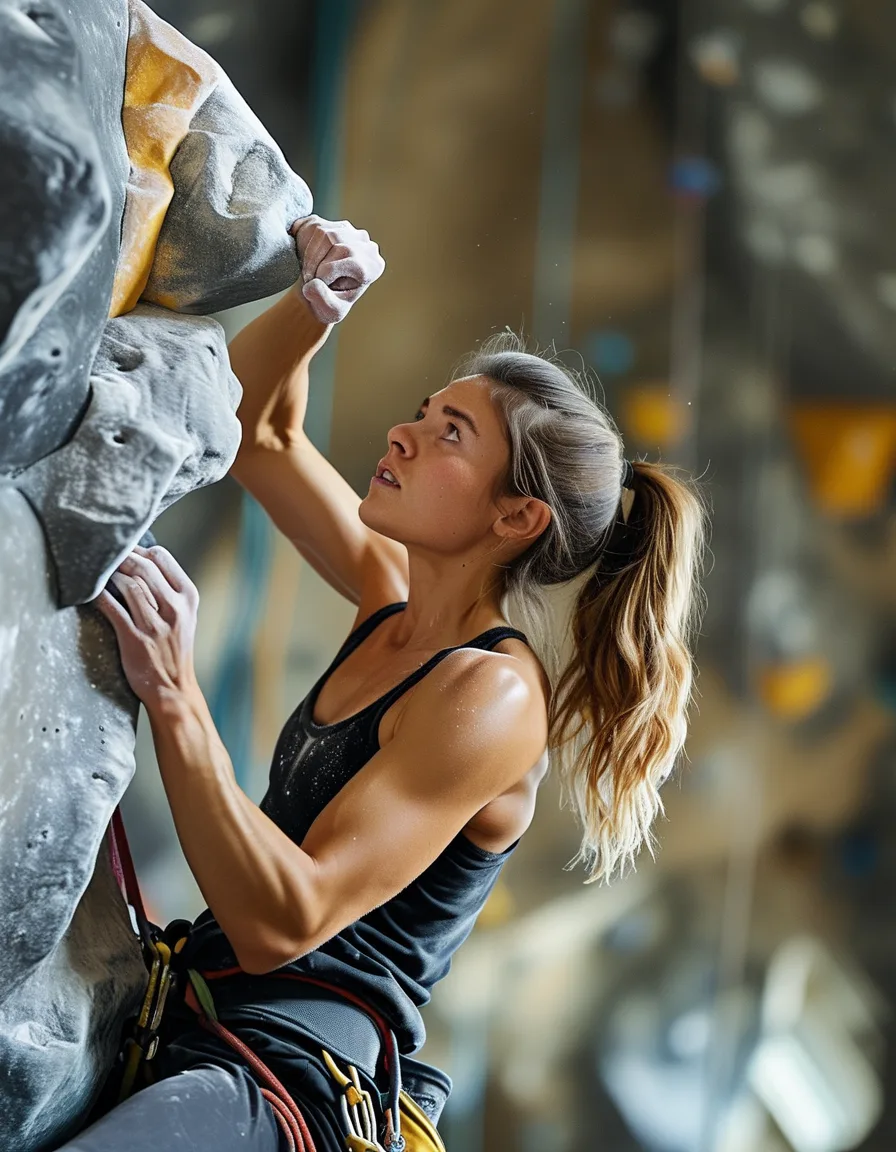
The real mechanism goes deeper than most climbers assume. Magnesium carbonate, chalk’s core ingredient, was specifically selected for its moisture-absorbing property — which means it pulls water from your skin’s own outer layer over the course of a session, not just from surface sweat. Reapplying chalk repeatedly during a single session compounds this moisture-stripping effect well beyond what one application would cause, and the damage builds session over session rather than resetting between climbs. The dryness and cracking climbers eventually see reflects a real, cumulative disruption to the skin’s barrier — not a temporary surface dryness that a light lotion easily reverses.

What Actually Fixes Chalk-Damaged Skin Between Sessions?
Two changes make the real difference. First, apply a heavier occlusive barrier balm specifically after a session, not before — a post-session balm locks in whatever moisture remains and actively supports overnight barrier repair, whereas a pre-session layer just gets stripped away by the chalk itself. Second, avoid hot water when washing your hands right after climbing. Hot water strips natural oils on top of skin that’s already depleted by chalk, so lukewarm water is a meaningfully better choice specifically in that post-session window. Together, timing the balm after climbing and keeping the post-climb wash lukewarm addresses the cumulative barrier disruption directly, rather than treating each session’s dryness as an isolated, one-off event.
Can I Prevent the Damage Before It Even Starts?
Yes, with one narrow, targeted step: a thin layer of oil applied specifically to your cuticles before you chalk up. Cuticles don’t touch the actual climbing surface, so oiling just that area protects your most crack-prone skin without compromising the friction chalk is there to provide on your holds. A full-hand oil layer would trade away grip; a cuticle-only layer doesn’t.
Myth vs. Fact: Climbing Chalk and Skin Damage
- Myth: Chalk dryness is just surface-level and any light lotion fixes it. Fact: Chalk actively pulls moisture from deeper in the skin’s outer layer, and the damage compounds across a session and across sessions — a light lotion often isn’t enough to keep up.
- Myth: Applying lotion or balm before a session protects your skin during it. Fact: A pre-session layer gets stripped away by the chalk itself; a heavier occlusive balm timed after climbing is what actually supports repair.
- Myth: Hot water is fine for washing chalk off your hands. Fact: Hot water strips additional natural oils right when your skin is already depleted from chalk — lukewarm water is the better choice immediately post-session.
- Myth: Oiling your hands before chalking ruins your grip. Fact: A full-hand oil layer would, but a thin, cuticle-only application avoids that tradeoff entirely while still protecting the most crack-prone skin.
Climbing Chalk Skin Care FAQ
Why does my skin still crack even though I use lotion regularly?
Most lotions address surface dryness but don’t fully counter the deeper, cumulative moisture loss chalk causes over repeated sessions. A heavier occlusive barrier balm timed specifically after climbing — rather than a light lotion at any point in the day — targets that deeper disruption more directly.
Is it better to apply balm before or after a climbing session?
After. A balm applied before a session gets stripped away by the chalk itself during climbing, while the same balm applied after locks in remaining moisture and supports barrier repair overnight.
Will oiling my hands before I climb affect my grip?
A full-hand oil application would hurt your grip, which is why it’s not recommended. A thin layer applied only to the cuticles avoids that problem, since cuticles don’t contact the climbing surface.
Bottom Line
Climbing chalk does more than sit on the skin’s surface — its moisture-absorbing magnesium carbonate pulls water from skin’s own outer layer, and repeated reapplication within and across sessions compounds that barrier disruption well beyond what a single chalking suggests. The fix that actually addresses this is a heavier occlusive barrier balm applied after a session rather than before, paired with lukewarm rather than hot water for the post-climb hand wash. Treating each session’s dryness as cumulative rather than isolated is what actually prevents the cracking that regular light lotion alone often fails to stop.
TL;DR:
- Chalk actively pulls moisture from your skin’s outer layer, not just from surface sweat
- Damage compounds within a session and across sessions, not just from a single chalking
- Apply a heavier barrier balm after climbing, not before
- Use lukewarm, not hot, water when washing hands right after a session
- A thin, cuticle-only oil layer before chalking protects crack-prone skin without hurting grip
Keep Reading
This article is for general informational and styling purposes only. Fit, sizing, and product availability may vary.