Footwork First: The Climbing Technique That Saves Your Arms
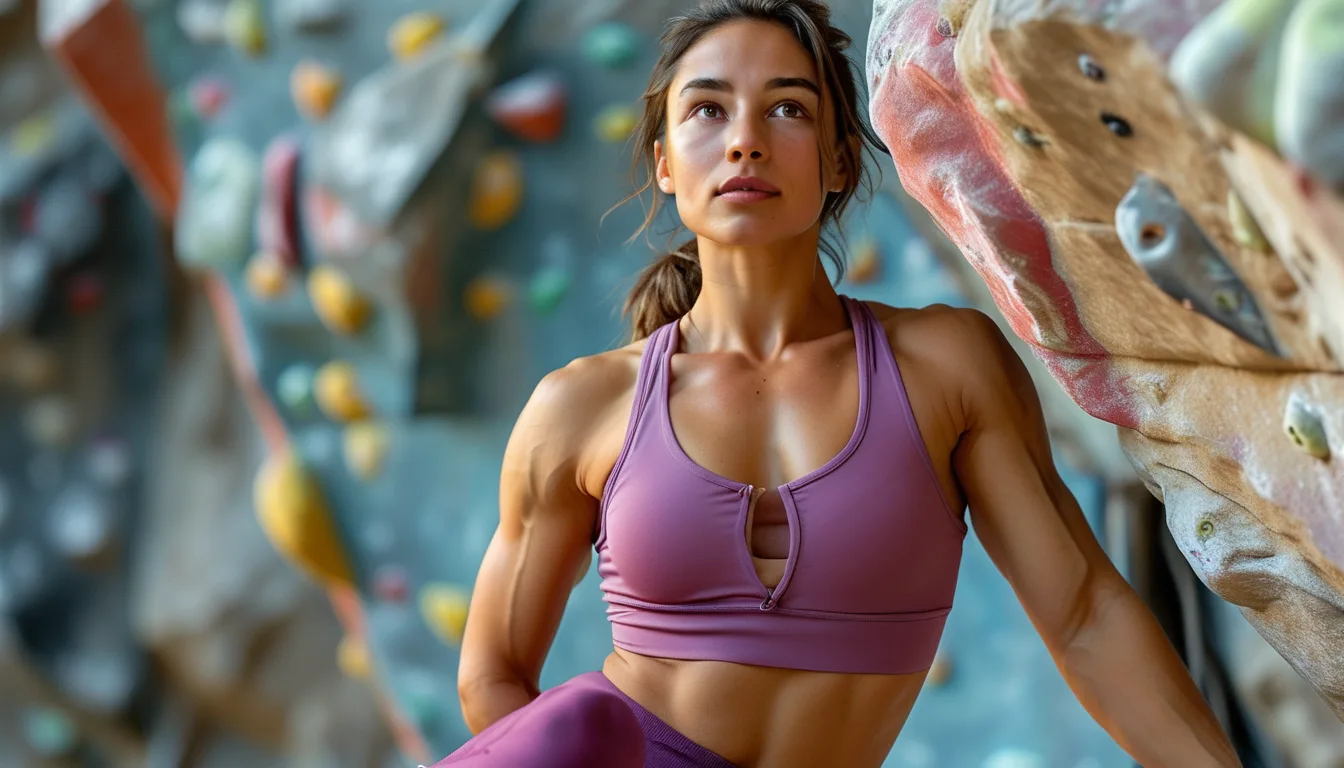
Every climbing plateau has the same autopsy: the arms did everything, the feet did nothing, and the forearms filed for bankruptcy mid-wall. Footwork — precise, quiet, trusted — is the technique that separates climbing from pull-ups on decoration. The curriculum.
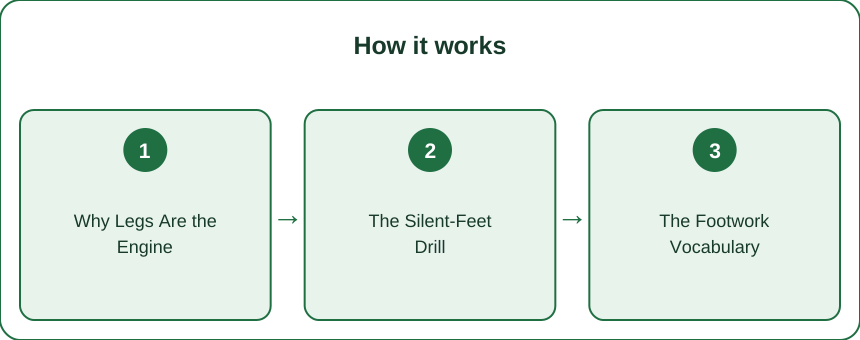
Why Legs Are the Engine
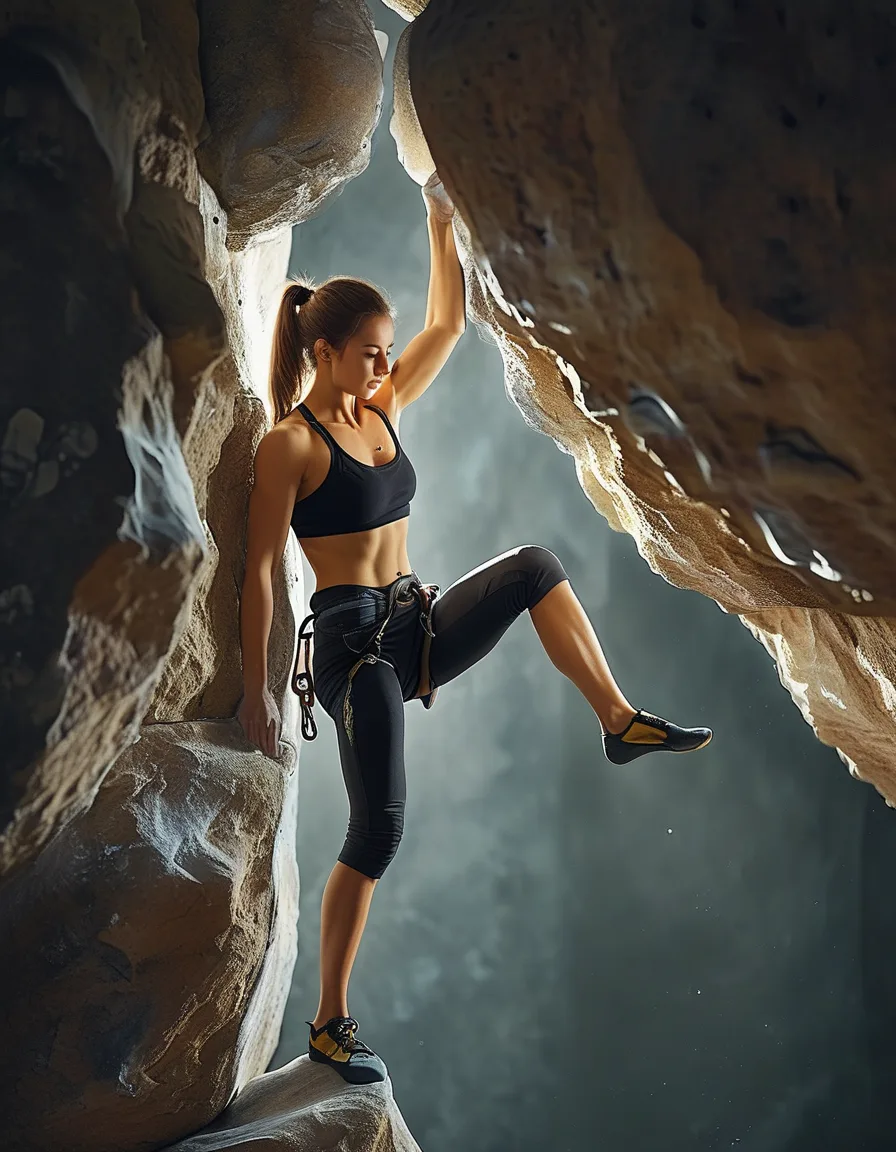
The physics beginners fight: legs are several times stronger than arms (the climber standing on holds outlasts the one hanging from them by entire sessions — arms are for balance and direction; legs are for elevation), the pump economics (forearm ‘pump’ is the session’s currency — every arm-pull spends it, every good foot placement saves it; the flamed-out-in-thirty-minutes beginner is over-drawing one account), and the watching-test (observe the gym’s best climber: the feet move constantly and precisely, the arms mostly just… stay straight — the sport’s open secret is visible from the bench).
The Silent-Feet Drill
The foundational exercise: climb easy routes making ZERO foot noise (the clonk of a dropped foot is imprecision made audible — silent feet force looking at the hold, placing deliberately and committing weight gradually; the drill that coaches assign forever because it fixes everything at once), the look-until-touch rule (eyes stay on the foothold until the foot is ON it — the glance-away mid-placement is where clonks come from), and the dose (two silent-feet warm-up climbs per session — the habit installs in weeks and pays for a climbing lifetime).
The Footwork Vocabulary
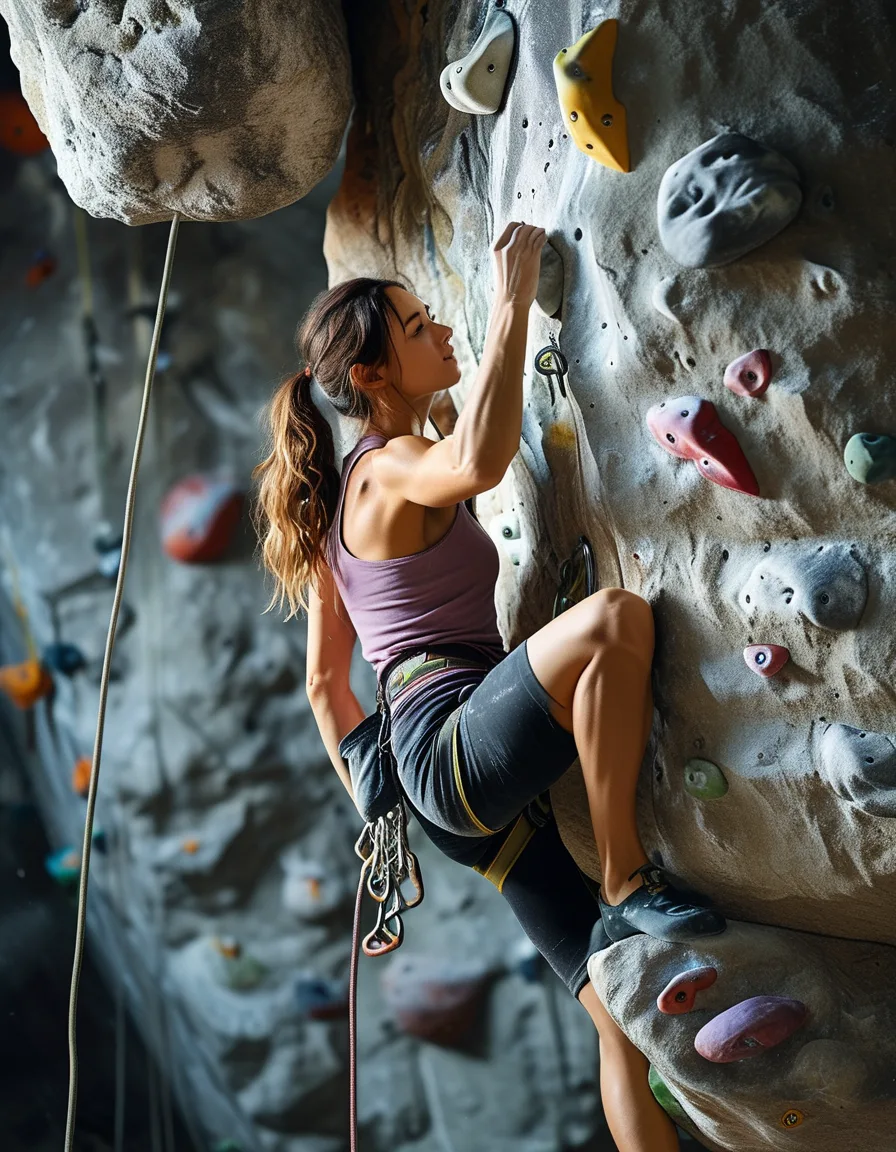
The placements worth naming: edging (the shoe’s inside edge on small holds — the precision default), smearing (sole rubber pressed flat against the wall where no hold exists — trust the friction; the drill is smearing on easy slabs until the fear quiets), the toe-hook and heel-hook tier (the feet as HANDS — hooking holds for stability; the moves that make climbing three-dimensional), flagging (the free leg extended as a counterweight — the elegant fix for the barn-door swing), and the quiet upgrade path (each technique learned on easy terrain, then trusted on harder — footwork skills compound exactly like grades wish they would).
The Straight-Arms Companion
The technique that pairs: hang on bones, not biceps (straight arms load the skeleton — the bent-arm lock-off is a forearm tax meter running; straight arms plus high feet is the resting position that turns climbing aerobic), the hip-in positioning (turning the hip to the wall brings weight over the feet — the twist that makes reaches longer and arms lazier), the rest-spot literacy (finding the stances where legs hold everything — the shake-out economy that extends sessions), and the payoff arithmetic (the climber who fixes footwork typically jumps a full grade in weeks without getting stronger — the strength was always sufficient; the technique was the bottleneck). The wall rewards the quiet feet.
Silent feet, eyes on the hold, straight arms, hips to the wall. Climbing is a legs sport wearing an arms costume — the footwork curriculum is the whole plot twist.
Keep Reading
This article is for general informational and styling purposes only. Fit, sizing, and product availability may vary.