Why Your Forearms 'Pump Out' So Fast Climbing (And How to Actually Delay It)
Quick Answer: Forearm ‘pump’ happens when muscle contraction during gripping restricts blood flow faster than your body can clear metabolic byproducts, and it’s delayed less by raw grip strength and more by climbing efficiency, shake-out technique, and pacing — meaning technique changes often help pump more than forearm-specific training alone.
Your forearms feel tight and swollen halfway up a route that shouldn’t be that hard. That’s pump — and it’s driven by more than just how strong your grip is.
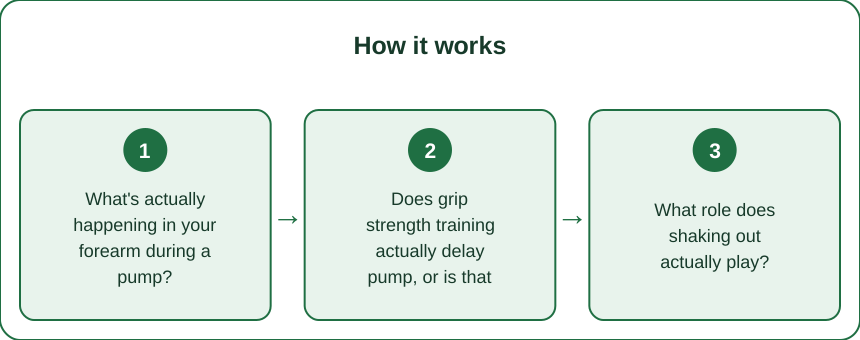
What’s actually happening in your forearm during a pump?
Sustained gripping compresses the blood vessels in your forearm, restricting the blood flow that would normally clear lactate and other metabolic byproducts from working muscle. As those byproducts accumulate faster than they can be cleared, the forearm feels swollen, tight, and progressively less responsive — this is pump, and it’s a circulation issue as much as a strength one.
Does grip strength training actually delay pump, or is that a myth?
Grip strength training helps to a point, but climbing efficiency often matters more — climbers with excellent technique frequently outlast stronger climbers with poor footwork, because inefficient movement forces the forearms to compensate for weight that better footwork and body positioning would otherwise support. Overreliance on raw grip training without addressing technique tends to produce diminishing returns.
What role does shaking out actually play?
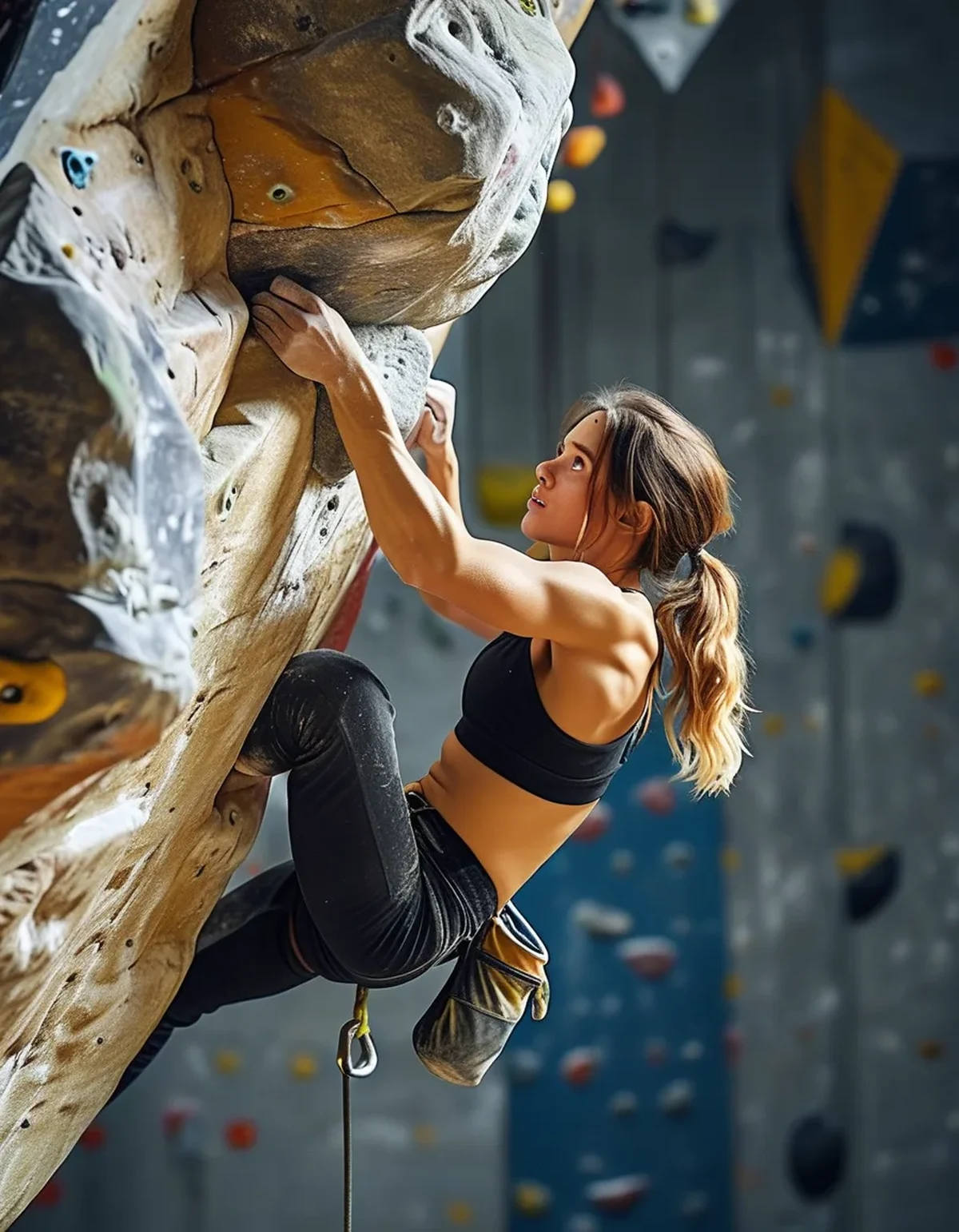
A proper shake-out — dropping the arm below heart level and shaking loosely for several seconds at a good rest hold — actively helps flush accumulated blood back through the muscle, rather than just providing psychological relief. Shaking out too briefly, or not dropping the arm low enough, significantly reduces how effective this recovery moment actually is.

How does pacing affect when pump sets in?
Climbing too fast between holds, or gripping harder than a hold actually requires, accelerates the onset of pump far more than most climbers realize — deliberately practicing a lighter, more relaxed grip on holds that don’t demand full effort preserves forearm capacity for the sections that genuinely need it.
What Nobody Tells You About Pump and Fear
Anxiety or fear on a route often causes climbers to grip significantly harder than the hold requires, a pattern sometimes called ‘gripped’ climbing, which burns through forearm capacity well before genuine physical difficulty would justify it. Addressing route-reading confidence and practiced calm on easier terrain often reduces pump onset more than any specific forearm exercise.
FAQ: Managing Forearm Pump While Climbing, Answered
Does climbing more often actually build pump resistance over time?
Yes — consistent climbing volume improves local muscular endurance and circulation efficiency in the forearms specifically, more so than isolated grip training alone.
Is there a quick in-the-moment fix once pump has already set in?
A proper low shake-out at the best available rest hold is the most effective immediate response, though prevention through pacing is more effective than any in-the-moment fix.
Should beginners worry about forearm pump, or is it mainly an advanced climber issue?
Beginners experience it too, often even more due to less efficient technique, so addressing footwork and grip relaxation early is worth prioritizing over forearm-specific strength work.
TL;DR:
- Forearm pump comes from restricted blood flow during sustained gripping, not just weak grip
- Climbing efficiency and footwork often delay pump more than grip-strength training alone
- A proper low shake-out actively clears accumulated blood, not just provides psychological relief
- Gripping harder than necessary from fear or poor pacing accelerates pump onset significantly
Next session, focus on lighter grip on easy holds and a proper low shake-out at rests — it often delays pump more than any dedicated forearm exercise.
Keep Reading
This article is for general informational and styling purposes only. Fit, sizing, and product availability may vary.