Stuck on the Same Climbing Grade for Months? Here's What's Actually Holding You Back
Quick Answer: Most climbing grade plateaus come from a technique and movement-efficiency ceiling, not a strength ceiling — deliberately climbing below your limit grade while focusing purely on footwork precision, hip positioning, and weight distribution typically breaks through a plateau faster than simply trying harder routes at your limit repeatedly.
The instinct when stuck is to keep attacking the harder grade directly. More often, the breakthrough comes from going easier and fixing movement quality, not from grinding at the ceiling.
Why does technique matter more than strength for most plateaus?
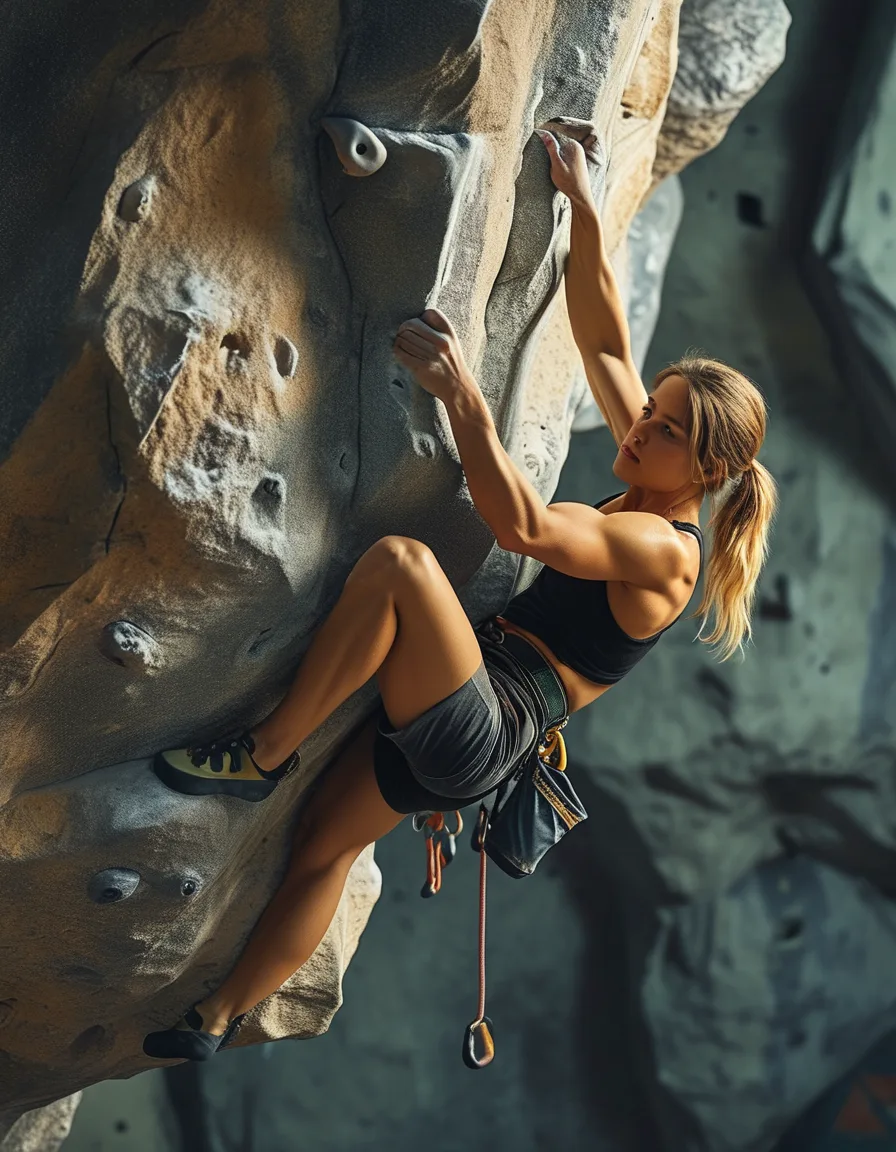
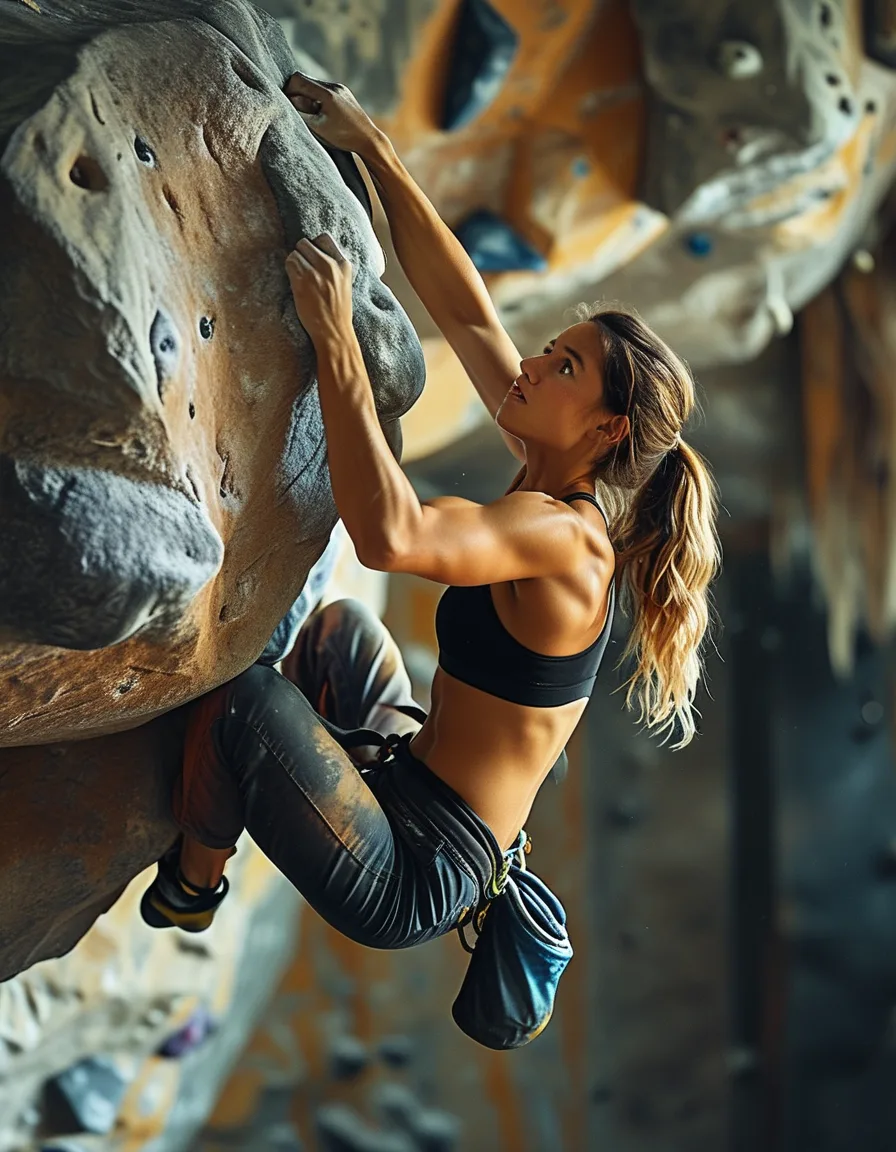
Past a certain baseline strength level, climbing efficiency (how well you use footwork, hip rotation, and body positioning to reduce arm strain) determines performance more than raw grip or pulling strength — many climbers plateau because they’re compensating for technique gaps with strength, which eventually hits a hard ceiling that technique improvement doesn’t have in the same way.
This is why climbers who deliberately practice technique on easier grades often see grade progress faster than those who only attempt harder routes repeatedly.
What’s the actual practice that helps most for breaking a plateau?
Climbing 2-3 grades below your limit while deliberately focusing on quiet, precise footwork and full weight transfer through the hips, rather than pulling through moves with upper body strength, rebuilds the movement efficiency that’s often the actual limiting factor.
Many coaches recommend dedicating entire sessions purely to this easier-grade technique focus, separate from limit-grade attempt sessions, since mixing the two often means technique focus gets abandoned under the harder route’s difficulty.
5 Mistakes That Keep Climbers Stuck on a Plateau
Mistake 1: Only attempting routes at your limit grade, without dedicated easier-grade technique practice sessions.
Mistake 2: Over-relying on arm and grip strength to compensate for poor footwork. This works temporarily but caps out at a hard ceiling.
Mistake 3: Not resting adequately between hard attempts, leading to compensating with worse technique as fatigue sets in.
Mistake 4: Ignoring hip positioning and flexibility, which significantly affects reach and balance on technical moves.
Mistake 5: Not filming or reviewing your own climbing, missing technique flaws that are hard to notice while actually climbing.
Does mental or fear-based hesitation play a role in grade plateaus too?
Often, yes — fear of falling, especially on lead climbing, can cause overgripping and rushed, inefficient movement that compounds a technique-based plateau, making it hard to distinguish a pure technique issue from a fear-driven one without deliberately addressing both.
Falling practice in a controlled setting (with a trusted belayer, on appropriate terrain) specifically addresses this fear component, which technique drills alone won’t resolve if fear is a significant contributing factor.
FAQ: Climbing Plateau Questions, Answered
How long does a typical grade plateau last before breaking through?
This varies widely, but many climbers report plateaus lasting anywhere from a few weeks to several months before a breakthrough, often coinciding with a specific technique or mental shift.
Is it worth hiring a coach specifically to break a plateau?
Even a few sessions with a coach who can identify specific technique gaps often accelerates breaking through a plateau faster than self-directed practice alone.
Should grip strength training be part of breaking a plateau?
It can help, but only after technique gaps are addressed — pure grip strength training without technique improvement often doesn’t translate to actual grade progress.
TL;DR:
- Most grade plateaus stem from technique and efficiency gaps, not a strength ceiling
- Deliberately climbing easier grades while focusing on footwork and hip positioning breaks through plateaus
- Overgripping from fear of falling can compound a technique-based plateau
- Filming your climbing or working with a coach helps identify gaps that are hard to self-notice
The next grade usually isn’t locked behind more strength — it’s usually locked behind movement quality most climbers stop actively working on once they hit a comfortable baseline.
Keep Reading
This article is for general informational and styling purposes only. Fit, sizing, and product availability may vary.