Your First Climbing Shoes: A Buying Guide That Saves You From Painful Mistakes
Quick Answer: Beginners should buy flat, neutral climbing shoes sized snug but not painful — ignore the “size down until you cry” advice, since agonizing shoes make you climb worse, not better. Try shoes on in person, rent at the gym first to learn what you like, and save aggressive downturned shapes for when your climbing actually needs them.
Climbing-shoe advice is full of macho nonsense — “size down until you cry,” “pain means performance” — that sends beginners home with agonizing shoes they hate wearing. Here’s the sane version: what climbing shoes actually do, how to decode fit and aggression, and a beginner buying strategy built around climbing more and suffering less.
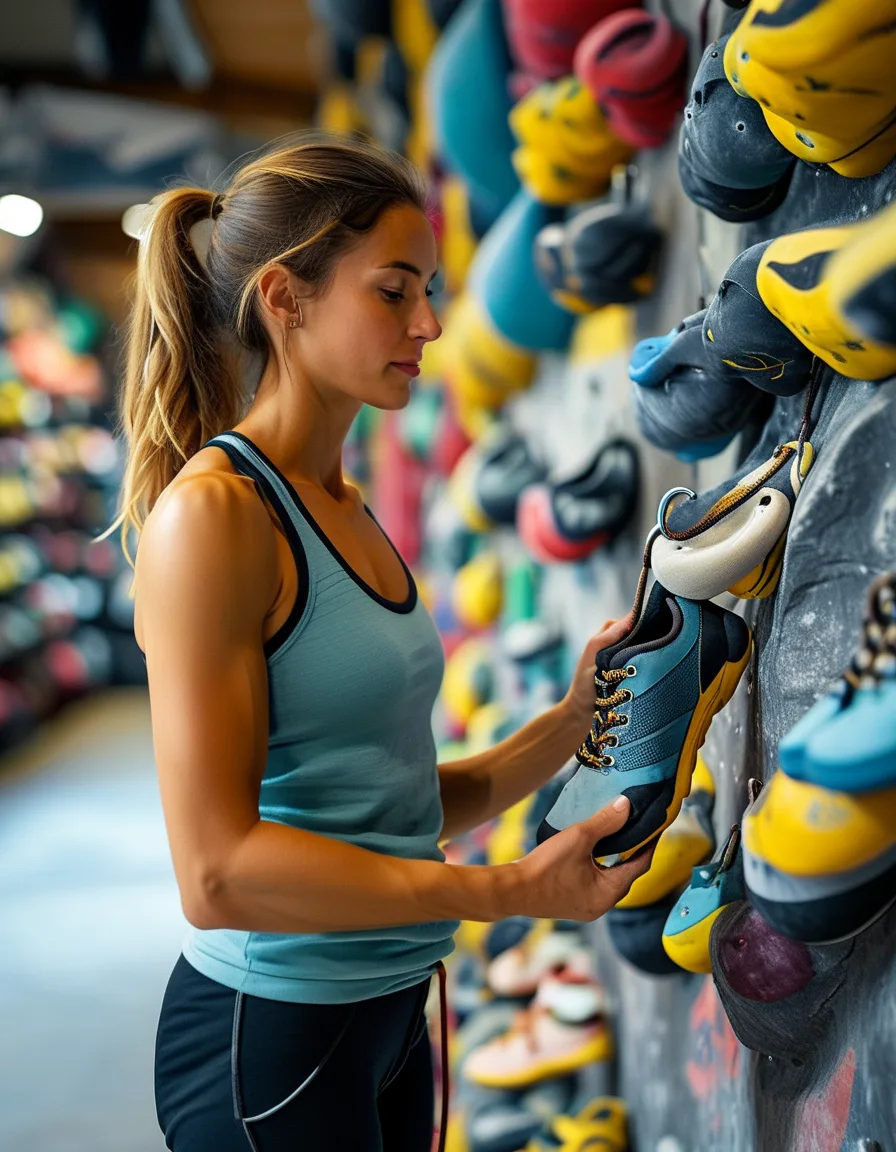
What Do Climbing Shoes Actually Do?
Sticky rubber and a precise fit let you grip small holds your regular shoes simply can’t. That’s the entire purpose — the shoe is a tool for precision, not a performance costume.
Beginners specifically don’t need aggressive, downturned “pro” shoes. Flat, comfortable, neutral shapes are what actually help you learn, because fit matters far more than which model a sponsored climber wears. Comfort is what lets you climb more, and more climbing is what actually builds skill.

How Should Climbing Shoes Fit?
The rule is snug, not agonizing — close-fitting enough to feel precise, but never painful. If “size down until you cry” is the advice you’re getting, ignore it: you climb noticeably worse in agonizing shoes than in comfortable, snug ones.
A few fit specifics worth knowing:
- No dead space, but no crushing either — beginners should aim for toes flat or only slightly curled, not knuckled in pain
- Try both feet, and walk around — feet differ from each other, and sizing varies by brand, so never trust a single number across brands
- Shoes stretch a bit over time — leather stretches more than synthetic, so account for some break-in room, but not so much that the shoe fits loose today
- Velcro vs. lace — velcro offers gym-friendly convenience for quick on-and-off; laces offer more precise, adjustable fit. Beginners often prefer velcro simply for ease.
What Shape of Climbing Shoe Should a Beginner Buy?
Shoe shape ranges from flat and neutral to aggressive and downturned, and the shape should match your current level, not your aspirations.
- Flat, neutral shoes — comfortable, beginner-appropriate, and versatile enough for general gym and outdoor climbing while you’re learning
- Downturned, aggressive shoes — built for steep, advanced climbing; they add precision on hard routes at the cost of comfort, which is exactly why they’re the wrong first purchase
Buying an aggressive shoe as your first pair is one of the most common — and most regretted — beginner mistakes.
Myth vs. Fact: Buying Your First Climbing Shoes
- Myth: You should size down until it hurts, because pain means a better fit. Fact: agonizing shoes make you climb worse, not better — snug and comfortable outperforms snug and painful every time.
- Myth: Beginners need aggressive, downturned shoes to progress faster. Fact: flat, neutral shoes are the right tool for learning; aggressive shapes solve problems beginners don’t have yet.
- Myth: You can safely buy climbing shoes online without trying them on. Fact: sizing varies significantly by brand, and fit matters more than the specific model — trying shoes on in person (or renting first) beats guessing from a size chart.
First Climbing Shoes FAQ
Should I buy or rent climbing shoes when I’m just starting out?
Rent at the gym first. It lets you learn what fit and shape you actually prefer before spending money, and most beginners’ preferences shift once they’ve climbed a few sessions in rental shoes.
How much should I expect to spend on my first pair?
Good beginner shoes are affordable, and there’s no need to buy an expensive pair for your first purchase — you can resole a comfortable, well-fitting shoe repeatedly as it wears rather than needing to size up in price.
When should I upgrade from a flat, neutral shoe to something more aggressive?
When your climbing actually demands it — typically once you’re consistently attempting steep, overhung routes where precision matters more than all-day comfort. Starting comfortable and upgrading later is the standard, low-regret progression.
Do I need different shoes for gym climbing versus outdoor climbing?
Not necessarily as a beginner — a good flat, neutral gym shoe transitions reasonably well to easier outdoor routes while you’re still learning. The bigger factor at this stage is fit and comfort rather than indoor-versus-outdoor specialization, which becomes more relevant once you’re climbing at a higher level.
How long does a first pair of beginner climbing shoes usually last?
It depends heavily on how often you climb, but many beginner shoes can be resoled once the rubber wears down rather than replaced outright, which stretches their usable life considerably. Resoling is generally cheaper than buying new and is part of why starting with an affordable, comfortable pair makes financial sense.
TL;DR:
- Ignore “size down until you cry” — agonizing shoes hurt performance, not help it
- Aim for snug, not painful: no dead space, but no crushing
- Beginners want flat, neutral shapes; save aggressive downturned shoes for later
- Try shoes on in person or rent first — fit varies too much by brand to guess online
- Buy an affordable, comfortable beginner shoe and upgrade only when your climbing needs it
Keep Reading
This article is for general informational and styling purposes only. Fit, sizing, and product availability may vary.