Climbing With Your Legs (Why Your Forearms Give Out First)
New climbers almost universally reach a point where their forearms fail long before their legs are tired — and that is a technique signal, not a strength deficiency. You are hanging off your hands when you should be standing on your feet. Here is why it happens, how to shift the load, and how to practise.
Why Beginners Over-Grip
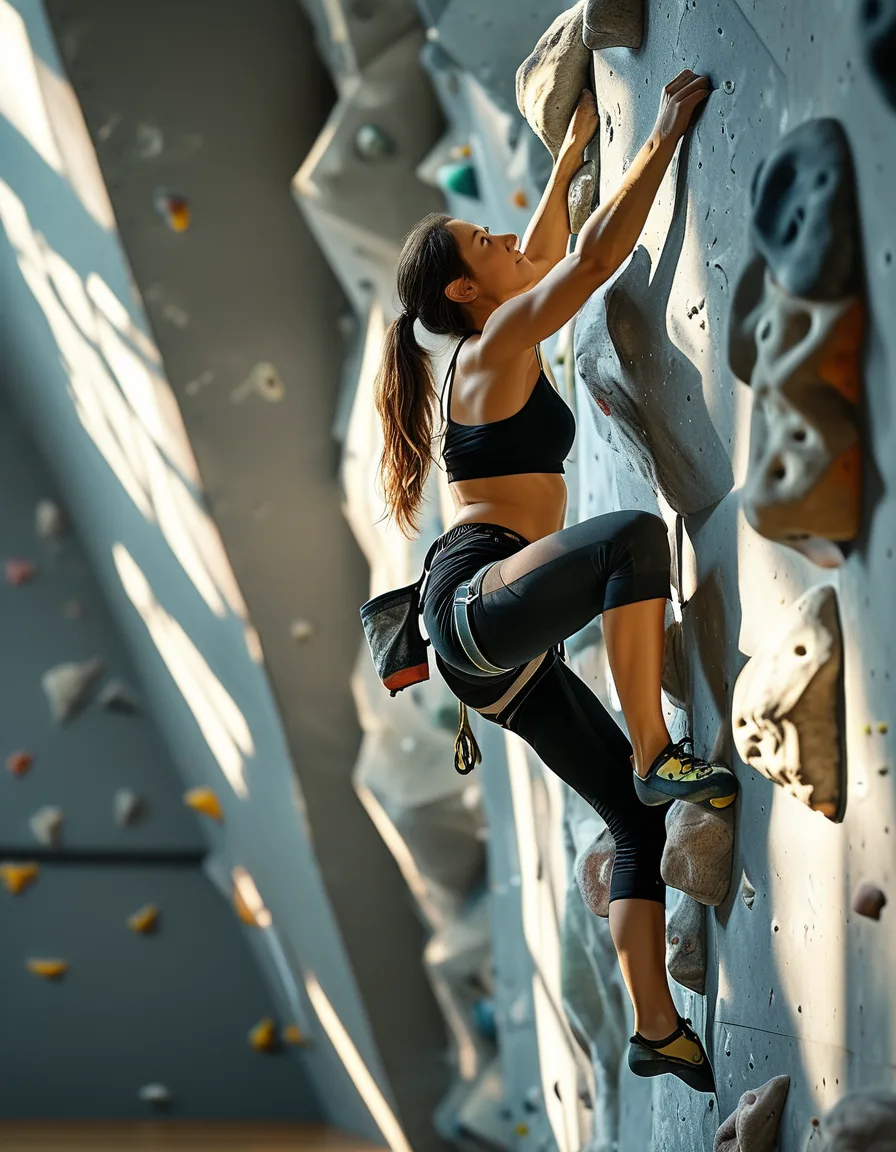
Hanging instead of standing: the the-hands-feel-like-safety (the hands feeling like the thing keeping you on the wall from the fear-of-falling logic — the hands-feel-safe), the the-fear-tightens-the-grip (the fear producing a much harder grip than needed from the fear-of-falling logic — the fear-tightens-grip), the the-legs-are-stronger-but-unused (the the legs being far stronger yet barely loaded from the footwork logic — the legs-unused), the the-forearms-fatigue-fastest (the forearms being the smallest and quickest to fail from the grip-strength logic — the forearms-fail-first), the the-it-is-technique-not-strength (the the limitation being technical rather than physical from the training-for-beginners logic — the technique-not-strength), and the reframe (the forearm pump as a technique signal — hanging off your hands when your legs, which are far stronger, are barely being used).
How to Shift the Load
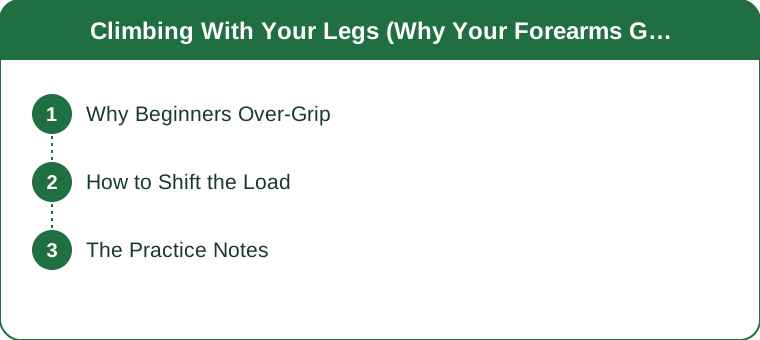
Getting weight over the feet: the the-stand-on-your-feet (the consciously standing rather than hanging from the footwork logic — the stand-do-not-hang), the the-precise-foot-placement (the placing feet deliberately rather than scraping from the footwork logic — the precise-feet), the the-push-with-the-legs (the driving upward with the legs from the footwork logic — the push-with-legs), the the-keep-the-arms-straight-where-possible (the hanging on straight arms rather than bent from the training-for-beginners logic — the straight-arms), the the-hips-close-to-the-wall (the keeping hips in to shift weight over the feet from the footwork logic — the hips-in), the the-use-the-lightest-grip-that-works (the gripping only as hard as necessary from the grip-strength logic — the lightest-grip), the the-rest-on-straight-arms (the shaking out and resting on straight arms from the training-for-beginners logic — the rest-on-straight-arms), and the the-look-at-your-feet (the looking down at foot placements deliberately from the footwork logic — the look-at-feet).
The Practice Notes
Drills that build it: the the-silent-feet-drill (the climbing with silent foot placements from the footwork logic — the silent-feet), the the-straight-arm-traversing (the traversing with straight arms only from the training-for-beginners logic — the straight-arm-traverse), the the-climb-easy-routes-with-focus (the practising technique on easy routes from the training-for-beginners logic — the easy-routes), the the-limit-hand-moves (the drills limiting how many hand moves you may use from the footwork logic — the limit-hand-moves), the the-address-the-fear-directly (the practising falls to reduce the fear grip from the fear-of-falling logic — the address-the-fear), the the-mobility-helps-you-use-your-feet (the hip mobility enabling better foot use from the mobility logic — the mobility-enables), the the-grip-training-comes-later (the grip training mattering only after technique from the grip-strength logic — the grip-later), and the frame (the climbing technique as standing rather than hanging — precise feet, straight arms, hips in and the lightest grip that works — practised with silent-feet drills on easy routes — why your forearms give out first. Stand on your feet with precise placements, keep your arms straight and hips in, use the lightest grip that works, and drill silent feet on easy routes).
New climbers almost universally reach a point where their forearms fail long before their legs are tired — and that is a technique signal, not a strength deficiency; you are hanging off your hands when you should be standing on your feet. Beginners over-grip because hands feel like safety, fear tightens the grip, the legs are stronger but unused, forearms fatigue fastest, and it is technique not strength. Shift the load by standing on your feet, placing feet precisely, pushing with the legs, keeping arms straight where possible, hips close to the wall, using the lightest grip that works, resting on straight arms, and looking at your feet. Practise with the silent feet drill, straight-arm traversing, easy routes with focus, limiting hand moves, addressing the fear directly, and mobility work — with grip training coming later.
Keep Reading
This article is for general informational and styling purposes only. Fit, sizing, and product availability may vary.