Why Your Footwork Gets Worse as You Get Stronger
Quick Answer: As your fingers and pulling strength improve, sloppy foot placements stop having consequences — so you stop correcting them. The habit sets in silently and only shows up at the grade where strength alone is not enough. Fixing it means deliberately climbing in conditions where you cannot muscle through.
You are objectively stronger than you were a year ago. You are also, on the boulders that actually matter to you, oddly worse at the thing that used to be your strength.
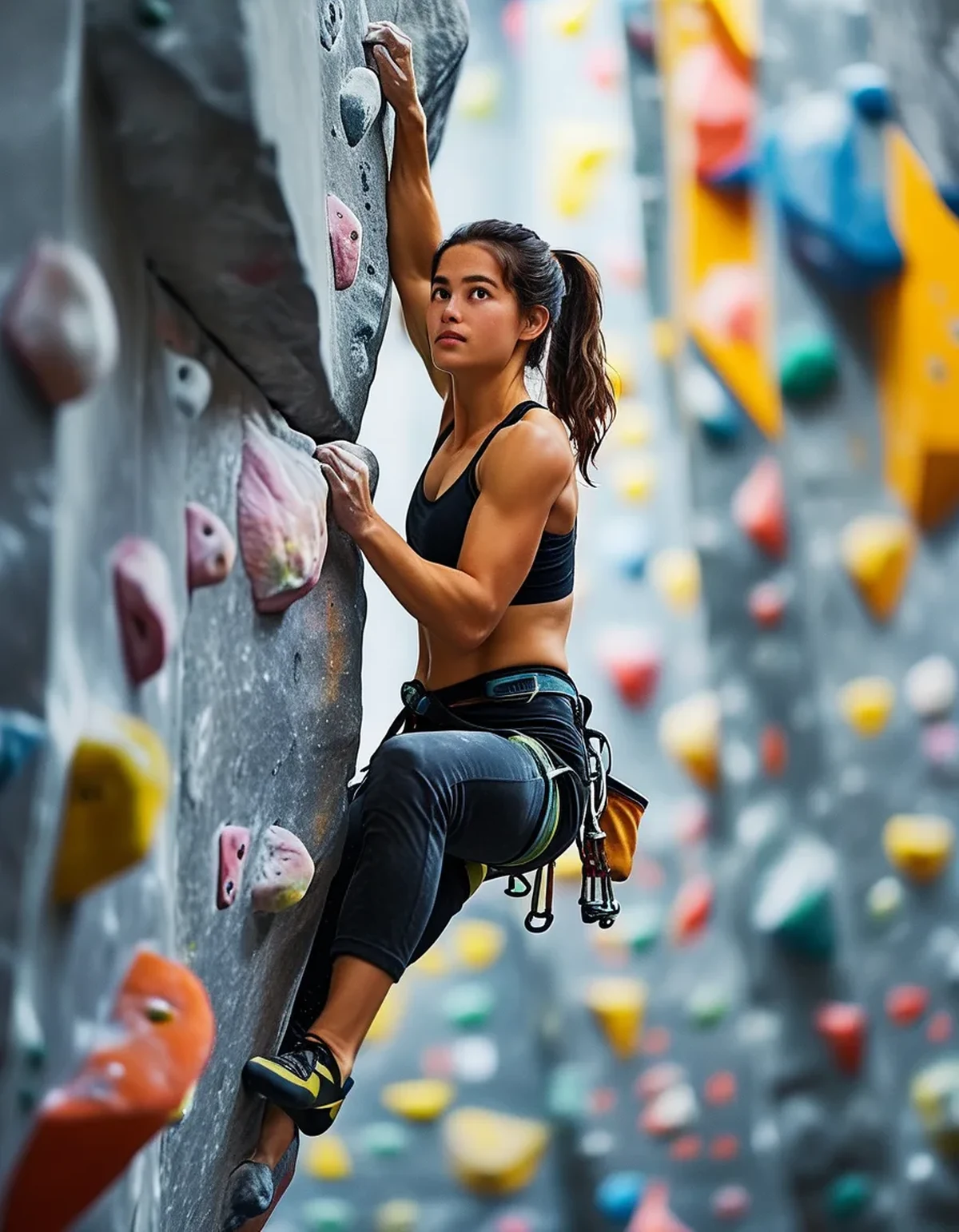
How does getting stronger make footwork worse?
Technique is trained by feedback. Early on, a bad foot placement had an immediate, unambiguous consequence — the foot popped, or you could not hold the position, and you fixed it on the next attempt.
As pulling strength grows, that feedback loop breaks. A foot placed on the edge instead of the toe still works, because your arms cover the difference. A hip left away from the wall still works. You never learn it was wrong, because it did not fail.
So the sloppy version becomes the default, quietly, over months. Then you get on a boulder or a route where the holds are genuinely small enough that arms cannot compensate, and the footwork you are bringing is the footwork you last actively trained a year and a half ago.
This is not a strength problem, and adding strength makes it worse.
What does the sloppy version actually look like?
Specific and diagnosable. Watch a video of yourself and look for:
- Looking away before weighting. The foot goes on, and your eyes have already moved to the next hand hold. The placement is unverified.
- Mid-foot instead of big toe. The inside edge near the big toe is the precise, rotatable contact point. The middle of the shoe is the lazy one.
- Repositioning after weighting. Placing, then shuffling — every adjustment costs grip time on your hands.
- Audible feet. A slap means you dropped the foot rather than placed it.
- Straight-on hips. Both hips square to the wall on every move means you are pulling, not standing.
Most people find three of these in the first two minutes of footage, which is uncomfortable and extremely efficient.
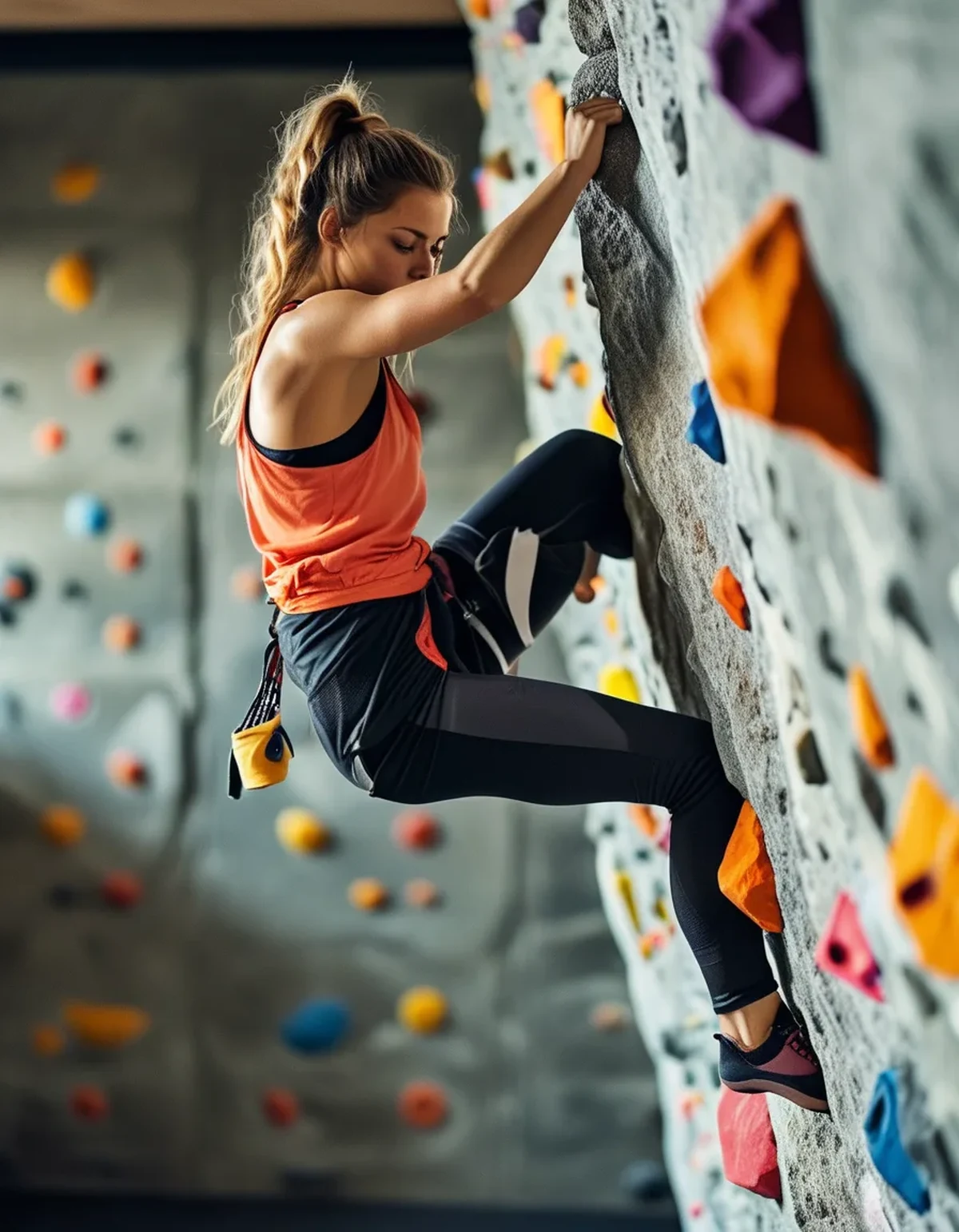
5 Mistakes Everyone Makes When Trying to Fix Feet
1. Training footwork on easy climbs only. You will do it perfectly on a V1 and revert instantly at your limit, because the habit lives under load.
2. Adding more volume at the same grade. More reps of the sloppy pattern makes it more automatic, not less.
3. Treating silent feet as the whole drill. Silence is a proxy for control, but you can be silent and still place mid-foot in the wrong spot. Precision and silence are separate skills.
4. Doing one session of drills and going back to projecting. Motor pattern change needs repeated exposure, not a single awareness session.
5. Blaming the shoes. A softer or more aggressive shoe can mask poor placement for a while, which delays the correction. The shoes are almost never the reason.
The third one surprises most people — plenty of climbers with genuinely quiet feet still place them badly.
What actually rebuilds it?
Create conditions where strength cannot bail you out. Four drills, in rough order of usefulness:
Straight-arm climbing. Traverse or climb easy terrain with elbows locked straight the entire time. You physically cannot pull, so every move has to come from feet and hips. 10 minutes, twice a week.
One-touch feet. Once a foot lands, it cannot move. No adjusting. Forces you to look and commit. Use a grade or two below your onsight.
Downclimbing everything. Downclimbing demands you weight feet you cannot see well and control the descent. It is the single most underused footwork tool in any gym, and it doubles your volume for free.
Deliberate slab. Slab is footwork with the strength removed from the equation. Most strong climbers avoid it, which is precisely the tell.
Run these in the warm-up, not at the end when you are tired and reverting to defaults.
How long before it shows up on hard climbs?
Expect a specific and slightly demoralising sequence. Weeks 1-2: you feel worse and slower, because you are consciously controlling something that was automatic. Weeks 3-6: the drills feel normal, but under real pressure you still revert. Weeks 6-12: it starts appearing unprompted on climbs at your limit.
The reversion phase is where nearly everyone quits, and it is completely normal — you are overwriting a pattern with hundreds of hours behind it.
Two things speed it up. Film yourself once a fortnight, because you cannot self-assess feet while climbing. And climb with someone better than you and watch their feet specifically, not their hands. Most climbers have never actually watched footwork on purpose.
And keep training strength through all of it. The goal is not weaker fingers — it is feet that deserve them.
TL;DR:
- Strength removes the feedback that taught you good footwork, so the habit degrades silently.
- Diagnose it on video: looking away early, mid-foot placement, repositioning, noise, square hips.
- Rebuild with straight-arm climbing, one-touch feet, downclimbing, and slab — in the warm-up, not at the end.
- Expect a 6-12 week timeline with a discouraging reversion phase in the middle.
If you have been stuck at the same grade for a year while getting measurably stronger, this is the most likely explanation and also the cheapest to fix. It costs ten minutes of warm-up and a willingness to watch footage of yourself, which is the genuinely hard part.
Keep Reading
This article is for general informational and styling purposes only. Fit, sizing, and product availability may vary.