Bouldering for Beginner Women: Strong Is the Whole Point
Walk into any climbing gym today and notice something the fitness industry took decades to achieve elsewhere: the walls are covered with women. Bouldering — short climbs over thick pads, no ropes, no harness, no partner required — has become one of the fastest-growing sports for women, and for good reason. It is strength training, puzzle-solving and community disguised as play. Your first session requires zero experience and rental shoes. Here is the map.
What Bouldering Actually Is
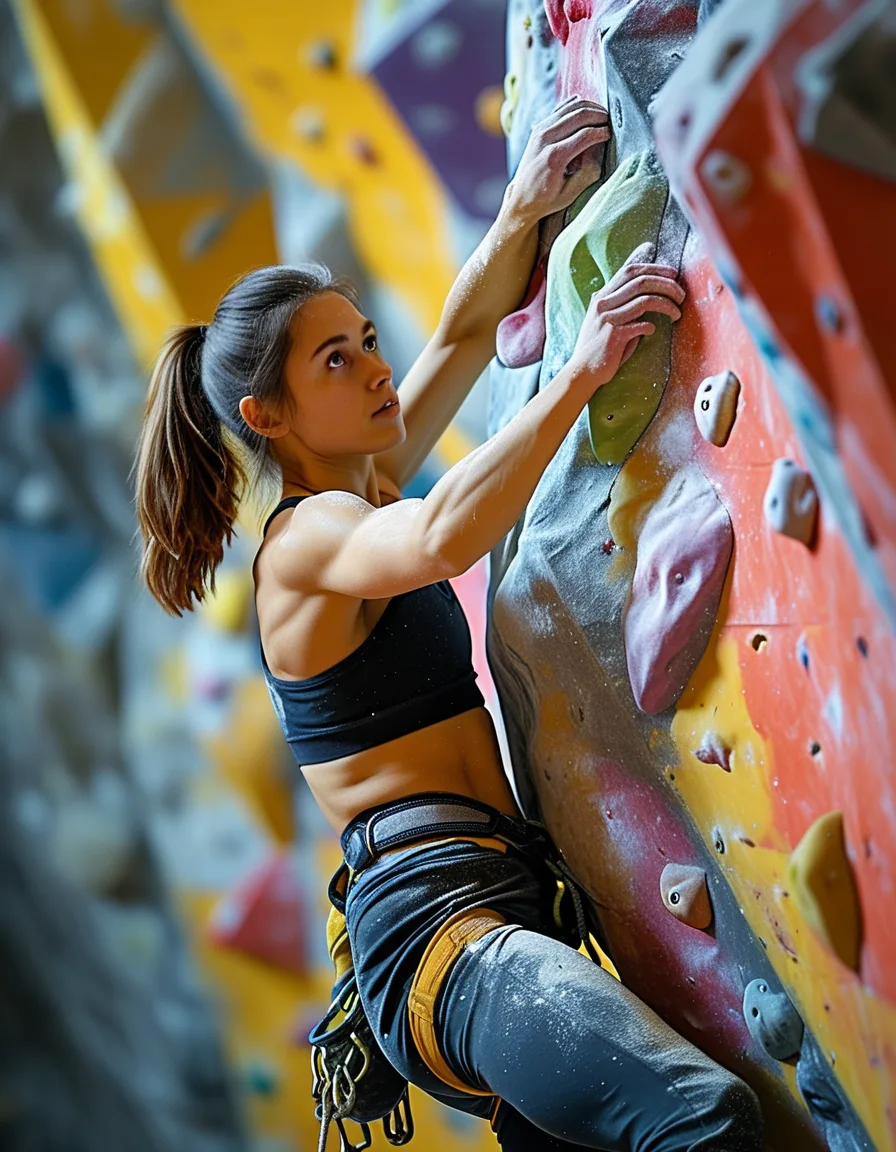
Bouldering means climbing short walls — usually up to 4.5 meters — above thick crash pads, following color-coded routes called problems. No ropes means no gear learning curve and no partner needed: you show up, rent shoes, and start. Problems are graded (V0 and VB are beginner-friendly), so progress is measurable from day one. A session is oddly social — climbers naturally cluster, rest between attempts, and cheer strangers through hard moves.
No, You Do Not Need Upper-Body Strength First
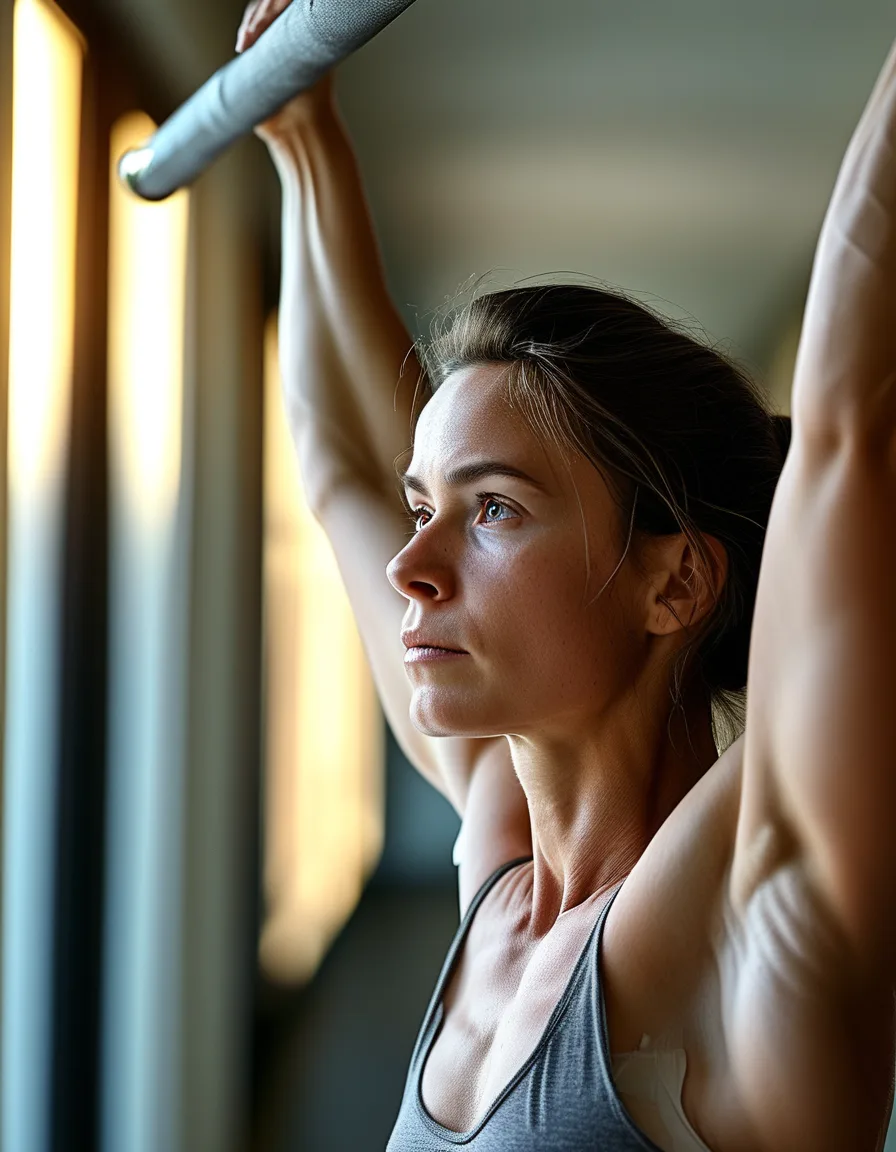
The number one myth keeping women off walls: I need to get stronger first. Reality: good climbing is legs and technique — you stand on your feet and use arms mostly for balance, and beginner routes are designed exactly for this. Women often out-learn men early because they cannot muscle through mistakes and learn proper footwork instead. The strength comes from climbing, not before it. Show up as you are; the wall is the trainer.
Your First Session, Move by Move
Rent shoes (snug, not painful), grab chalk if you like, find the V0s. Three technique seeds: keep your arms long and hips close to the wall (hanging on straight arms saves energy; bent-arm death grip is the beginner tax), push with legs instead of pulling with arms, and look at your feet when you place them. Climb down or drop-land softly — knees bent, roll back onto the pad. Rest more than you climb; skin and forearms are the limiting factors on day one.
The Culture Is the Secret Ingredient
Climbing gyms run on a rare social physics: everyone fails constantly and publicly, so failure is background noise and encouragement is the norm. Strangers will offer you beta — advice on a move — and celebrate your first top like family. Many gyms host women’s climb nights, beginner meetups and coffee bars that turn sessions into a social life. For women tired of headphone-solitude gyms, this is the antidote: a sport where community is a load-bearing feature.
What Changes After a Month
Climbing twice a week, the first month delivers: forearms discovering their existence (grip strength arrives startlingly fast), visible back and shoulder definition, and problem-solving fingerprints all over your thinking — because every route is a physical puzzle. The confidence transfer is real and much-discussed among women climbers: topping a problem you failed eleven times rewires what try again means everywhere. Also, your leggings finally get judged purely by squat-stretch performance. As they should be.
Bouldering asks for one open evening and repays you with the rare triple: a workout, a puzzle and a community, all in the same hour. Find your local gym, rent the funny shoes, start at V0 and fail happily upward. A month from now you will have chalk in your gym bag, a problem you are projecting, and a slightly smug new answer to what do you do to stay fit.
Keep Reading
This article is for general informational and styling purposes only. Fit, sizing, and product availability may vary.