Climbing Training for Beginners: Build the Strength and Skill to Progress
Quick Answer: Beginner climbing progress comes mostly from technique — footwork and efficient movement — not raw strength, so prioritize climbing often and training your footwork before you chase grip or pulling strength. Layer in grip strength, core tension, and mobility gradually, since tendons adapt much slower than muscles and rushing that part is how beginners get hurt.
You watch someone half your size cruise up a route you just fell off of, and your first thought is “I need to get stronger.” Your second, more accurate thought should be “I need to get smarter with my feet” — because that’s usually what’s actually happening.
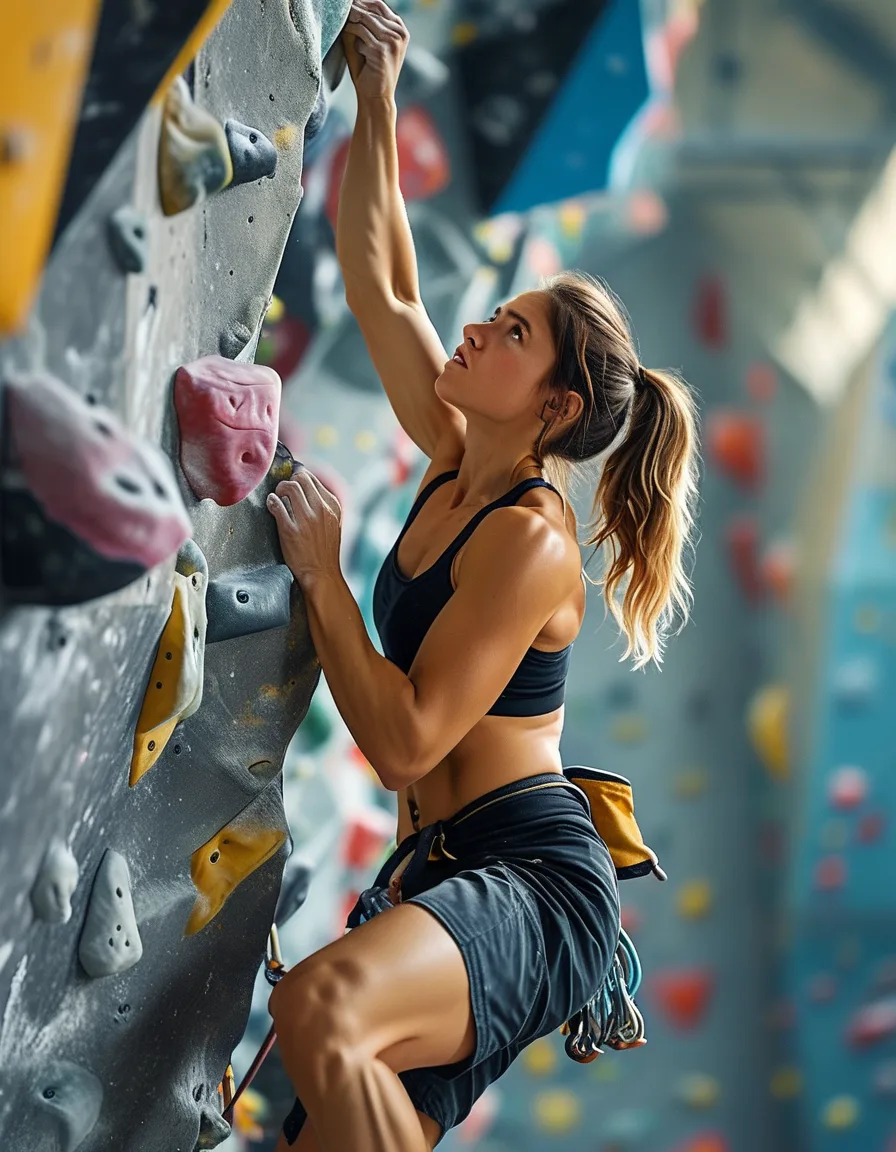
Is climbing more about strength or technique for beginners?
Technique, hands down, especially in your first few months. Footwork and movement efficiency matter more than raw strength when you’re new — good technique lets you use your legs (your strongest muscles) to do the work your arms are currently trying and failing to do. Grip, pulling, and core strength absolutely matter, but they’re there to support good movement, not replace it.
The classic beginner mistake is over-gripping: hanging onto holds with a death grip and trying to muscle up the wall with your arms instead of trusting your feet. It’s an easy trap, because arms feel like the obvious tool. Mobility helps too — loose hips and shoulders open up moves that feel impossible when you’re stiff. And there’s a mental piece nobody skips forever: managing the fear of falling is genuinely part of getting better, not a separate issue from “real” training.
What should a beginner actually train?
Here’s the priority order that keeps you improving without wrecking your joints:
- Footwork and technique first. This is the foundation everything else sits on — quiet feet, deliberate placements, weight over your feet instead of hanging off your arms.
- Climb often. Time on the wall is the single best training tool early on. There’s no substitute for mileage when you’re building movement patterns from scratch.
- Grip and forearm strength, trained carefully. Tendons adapt far slower than muscles do — think months, not weeks — so this is the one area where patience really pays off.
- Core strength and body tension. This is what keeps your feet on the wall on overhanging or technical terrain.
- Pulling strength (back and arms) as a support system, not the main event.
- Hip and shoulder mobility for reachy, technical moves.
- Antagonist training and prehab — strengthening the “opposite” pushing muscles to keep your shoulders and elbows healthy long-term.
- Real rest. Climbing is genuinely hard on tendons, and recovery is where the adaptation actually happens.
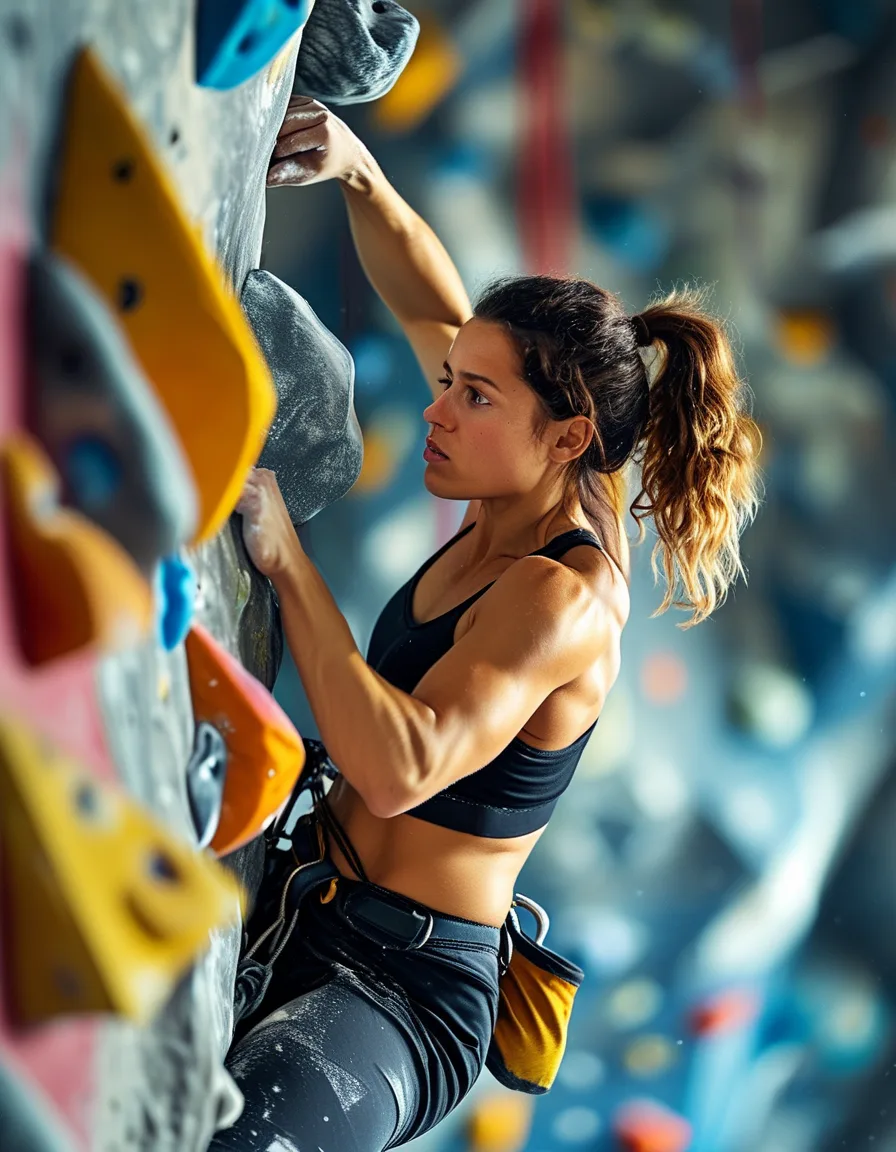
How do I climb harder without getting hurt?
Improve your movement before you chase hard finger training. Beginner tendons and pulleys just aren’t ready for aggressive grip work yet, even if your muscles feel strong enough. Go easy on your fingers specifically — this is the number one injury zone for new climbers who progress too fast.
A few habits that keep you climbing instead of sitting on the couch with a swollen finger:
- Progress gradually, moving up in difficulty step by step rather than jumping two grades because one hard route worked out.
- Warm up properly — fingers and shoulders especially — before attempting your hardest climbs of the session, even if that means 10-15 minutes of easy climbing first.
- Rest for real. A day or two of true recovery between hard sessions lets your tendons catch up to your enthusiasm.
- Climb with others. You’ll pick up technique tips just by watching people move, and grip-strength work you can do at home is a smart complement between gym sessions once you’ve built a base.
5 Mistakes Every New Climber Makes
- Over-gripping instead of trusting their feet. Your forearms will scream “climb with me!” — ignore them and look down at your feet instead.
- Chasing grip strength before technique. Strong fingers on bad footwork just means you fall from higher up.
- Skipping the warm-up because the first route “looks easy.” Cold tendons don’t care how easy the route looks.
- Training grip every single session. Tendons need more recovery time than muscles — daily hard grip work is a fast road to a pulley injury.
- Ignoring the mental side of falling. (This is the mistake that surprises even climbers who’ve been at it for years — the fear of falling, not physical strength, is often the real ceiling on progress.)
Climbing is genuinely a joint-and-tendon-intensive sport, and beginner enthusiasm is exactly how overuse injuries happen. If you notice sharp pain in a finger joint, persistent elbow soreness, or swelling that doesn’t settle within a couple of days, that’s a signal to back off and, if it doesn’t resolve, check in with a doctor or physical therapist who’s familiar with climbing injuries rather than trying to train through it.
FAQ
Do I need to be strong before I start climbing?
No — climbing itself is how most beginners build the specific strength they need, and technique matters more than raw power in the early months. Show up and climb regularly; the strength follows the skill, not the other way around.
How often should beginners train grip strength?
Carefully, and not every session. Since tendons adapt much slower than muscles, most beginners are better off climbing often and letting grip strength build gradually rather than doing dedicated hard grip training more than once or twice a week.
What’s the biggest injury risk for new climbers?
Finger and pulley injuries from over-gripping and skipping warm-ups are the most common issue. Progressing gradually, warming up properly, and resting between hard sessions are your best protection.
TL;DR:
- Beginner progress is driven mostly by technique and footwork, not raw strength.
- Train in this order: footwork first, climb often, then grip, core, pulling, and mobility.
- Tendons adapt far slower than muscles — go easy on grip training and prioritize real rest.
- Warm up for 10-15 minutes before hard climbing, and progress in grade gradually.
- Watch for sharp finger or elbow pain and see a doctor or physical therapist if it doesn’t settle quickly.
- Climb harder, safely — that’s the whole goal.
Keep Reading
This article is for general informational and styling purposes only. Fit, sizing, and product availability may vary.